Tag: wfh

  • Why Your Network Is the Most Underrated Job Search Tool You Have

    Why Your Network Is the Most Underrated Job Search Tool You Have

    I’ve been in my field for over a decade.

    In that time, I’ve held a lot of jobs. And all but two of them came from a referral — someone I’d worked with before, stayed in touch with, or had simply taken the time to know.

    Not my resume. Not a job board. Not a recruiter cold email.

    A person who thought of me when an opportunity came up.

    That’s what a network actually does when you’ve built one with intention.


    People hire people they know and trust.

    Job postings are public. Your competition on any given application is enormous.

    But a referral skips the line entirely.

    When someone vouches for you, you walk into the process with credibility already attached. The hiring manager isn’t starting from zero — they’re starting with a reason to believe in you.

    That’s an advantage no resume formatting tip can replicate.


    Your network is already working for you — or it isn’t.

    Here’s the thing most people don’t realize: your network is active whether you tend to it or not.

    If you’ve stayed in touch with former colleagues, shown up for people, and been someone worth remembering — it’s working for you right now, even when you’re not job hunting.

    If you’ve gone quiet, stayed siloed, and only reached out when you needed something — it’ll feel like starting from scratch every time.

    The key is consistency.


    You don’t need a big network. You need a real one.

    Don’t start collecting LinkedIn connections like trading cards.

    A handful of people who genuinely respect your work will open more doors than five hundred lukewarm follows ever will.

    Think about the people you’ve worked with who saw you at your best. Former managers. Colleagues who became friends. People whose work you admired. Those relationships — even the ones that have gone quiet — are worth rekindling.

    Most people are glad to hear from someone they once worked well with. You’re probably overthinking the reach-out.


    And if you’re starting from scratch — that’s okay.

    Not everyone has a decade of connections to lean on. Some people are switching industries. Some are early in their careers. Some are moving to a new country and rebuilding everything from the ground up.

    A network isn’t something you either have or don’t. It’s something you build — one conversation, one connection, one genuine interaction at a time.

    Start where you are. Comment thoughtfully on posts in your field. Show up in online communities. Reach out to people whose work you respect — not to ask for anything, but to say something real.


    The best time to build your network was yesterday.

    The second best time is right now — before you need it.

    Stay present. Stayed generous. Stay in touch.

    These relationships will pay you back 100 fold.

    Comfortably Uncertain,

    Krista
  • Why I’ll Never “Return to Office”

    Why I’ll Never “Return to Office”

    In October 2017 I was back in the office having a very important meeting with my manager. My four-month-old daughter was in the care of a co-worker. That lasted about twenty minutes before she realized I was nowhere to be found and started screaming so loudly I could hear her from ten doors down.

    That moment was clarifying.

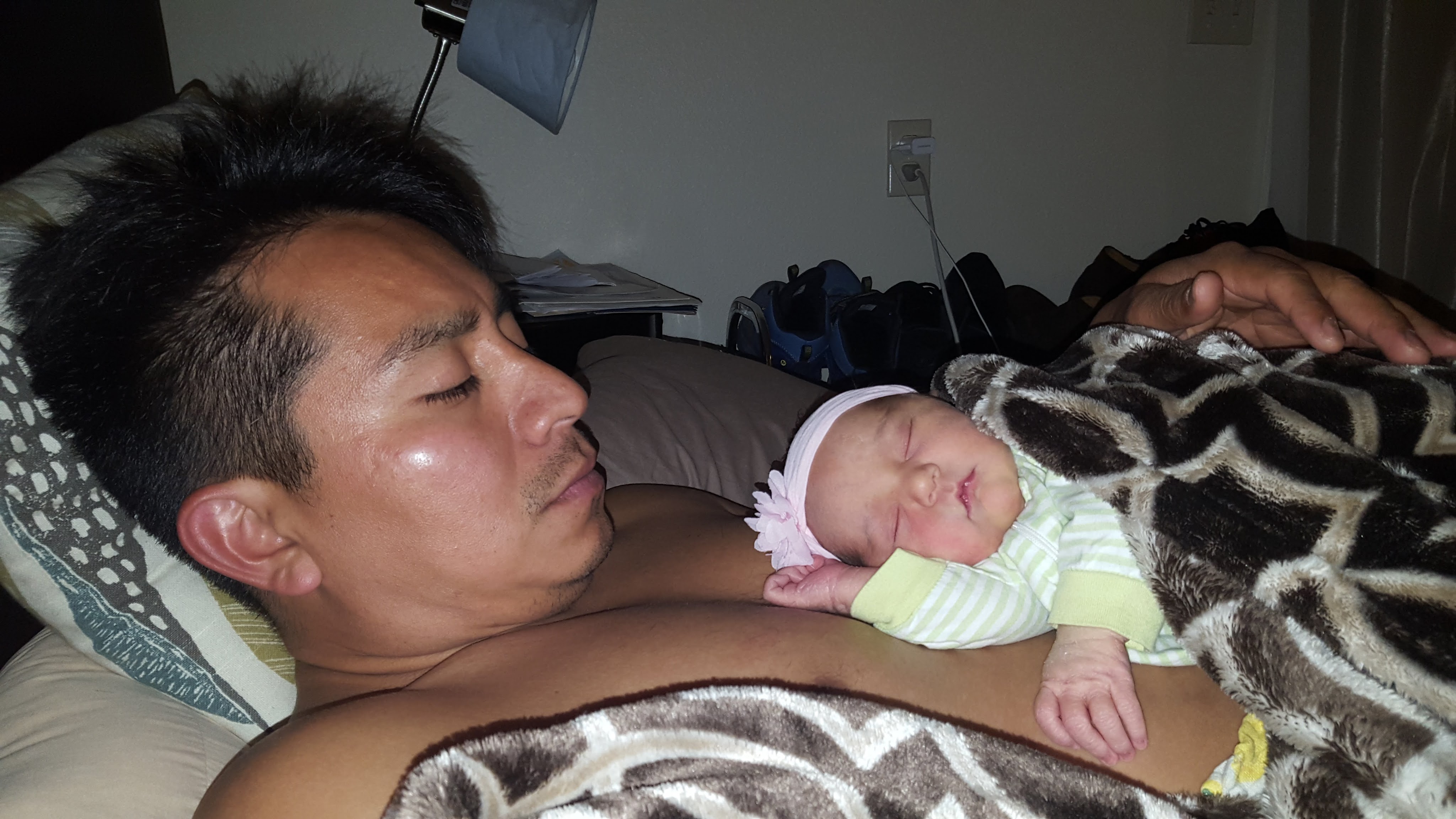
    Earlier that year, in June, I had given birth to my daughter, Emilia. I had what most Americans would call a generous maternity leave. I fully intended to return to work, find a nearby daycare, and settle into the rhythm so many families follow.

    It took one daycare tour for me to realize I couldn’t do it.

    At the same time, my mom had just retired and was planning her move to Arizona. She was the only person I felt completely comfortable leaving Emilia with. We are close — the kind of close where a move across the country feels like an amputation. The thought of her leaving, and me staying behind, felt impossible.

    So there I was. Sitting in a private office with my manager, an HR team member, and my infant daughter.

    Earlier that month I had taken a risk and submitted a request to work remotely. Our plan was simple in theory and terrifying in practice: follow my mom to Arizona. My husband would quit his job to care for Emilia full-time. I would work from home.

    This was 2017.

    Remote work wasn’t mainstream yet. I would be the first person on my U.S. team to go fully remote. But our company had global offices. We were already dialing into international meetings at odd hours. The infrastructure existed — it just wasn’t common.

    My request was approved.

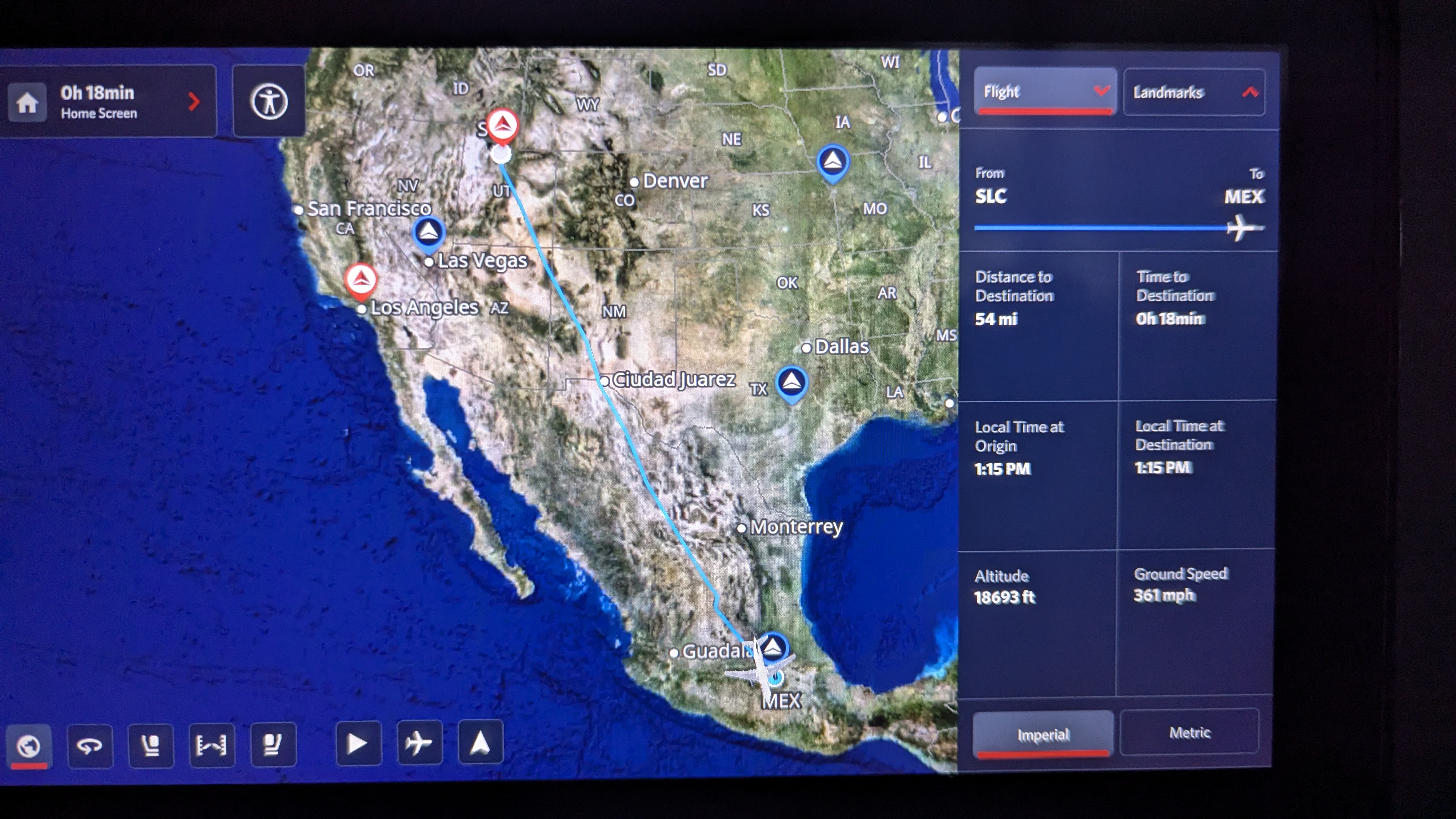
    On January 27, 2018, Emilia and I boarded a flight from SeaTac to Phoenix. Jorge drove a moving truck packed with everything we owned. We didn’t know exactly what we were building — we just knew we were choosing our family first.

    I haven’t worked in an office since.

    Over the years I’ve had roles that required occasional travel. I’ve worked with teammates I’ve never met in person. Entire projects have been built through Slack threads and video calls. This is the era we live in.

    And remote work is the reason for everything that followed.

    It allowed us to move from state to state while we figured out where we wanted to plant roots. It gave us the flexibility to experiment with lifestyle instead of defaulting to geography. It eventually made our move to Mexico possible.

    Remote work is not just a location change. It’s leverage.

    When I think back to my early career, I remember the commute. The rigid schedule. The unspoken rule that productivity equaled physical presence. Eight hours in a chair whether the work took four or twelve. Time measured by badge swipes and fluorescent lighting.

    I gained those hours back.

    I gained mornings at home. Midday walks. Doctor’s appointments that didn’t require half a vacation day. I gained the ability to design my day around output instead of optics.

    I also stopped getting sick every other month. Offices are a breeding ground for shared germs, recycled air, and exhaustion cycles. Removing myself from that environment changed my health in ways I didn’t expect.

    And financially? The impact was significant.

    No daily commuting costs. No professional wardrobe churn. No convenience spending because I was too tired to cook. Fewer impulse purchases tied to corporate life. Remote work quietly increased our margins.

    Over time, those margins compounded.

    The most important shift, though, wasn’t logistical or financial.

    It was psychological.

    I stopped tying my value to a building. I stopped believing I needed to be seen to be effective. I started evaluating work based on results, not residency.

    That one request in 2017 reshaped the trajectory of my life.

    If you are sitting in an office right now feeling the tension between the life you want and the structure you’re operating inside, I understand it deeply. I was there. I made the ask before it was popular. I built the case. I took the risk.

    Remote work gave me the freedom to design our life intentionally.

    It can do the same for you — if you’re willing to ask differently.